




Kegagalan persyaratan ISO / IEC 15415 sering menyebabkan pengiriman ditolak, pengembalian biaya yang mahal, dan celah pelacakan dalam rantai pasokan global. Produsen sering berjuang dengan masalah kualitas barcode 2D seperti modulasi rendah, kontras yang tidak cukup, atau distorsi cetak.
Panduan ini menjelaskan bagaimana standar bekerja, bagaimana mendiagnosis kegagalan umum, dan bagaimana solusi verifikasi inline - seperti IV5820 IDPRT - memungkinkan koreksi real-time dan kepatuhan yang konsisten.
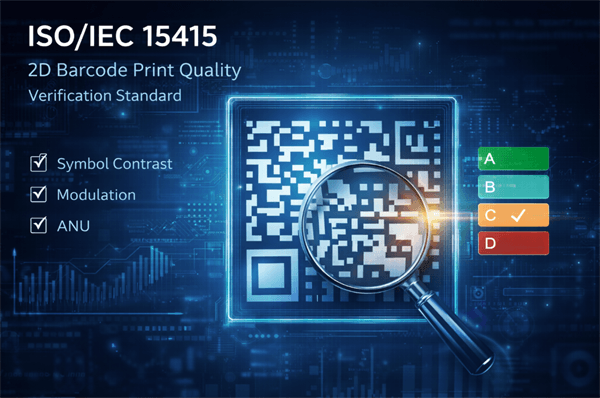
Kunci Takeaway
-
●
Standar ISO / IEC 15415: Mengevaluasi kualitas barcode 2D menggunakan 10 parameter optik (misalnya, Kontras Simbol, Modulasi, ANU).
-
●
Kepatuhan kelas C: Memerlukan ≥55% Kontras, ≥40% Modulasi, dan ≤8% ANU untuk lulus audit industri.
-
●
Analisis penyebab akar: 80% kegagalan berasal dari ketegangan pita, substrat kotor, atau kecepatan cetak yang berlebihan.
-
●
Solusi Otomatis: Pergeseran dari pemeriksaan manual ke sistem cetak dan verifikasi inline (misalnya, iDPRT IV5820) memastikan penilaian real-time dan menghilangkan label yang rusak pada kecepatan produksi.
Apa itu ISO / IEC 15415 2D Barcode Print Quality Standard
ISO/IEC 15415 menetapkan patokan global untuk verifikasi kualitas cetak barcode 2D. Ini menilai simbol seperti Data Matrix, kode QR, dan PDF417 pada 10 parameter. Ini mencakup simbol matriks dalam logistik, UDI medis, dan suku cadang otomotif.
Printer mengeluarkan tepi kabur atau tinta lemah. Pembeli menolak pengiriman. Standar ini memastikan pemindaian dalam rantai pasokan.
Tingkat skala & ambang kepatuhan
Kelas ISO/IEC 15415 mewakili rata-rata berat dari semua 10 parameter. Untuk memastikan pemindaian rantai pasokan global, sebagian besar industri (Medical UDI, GS1, Automotive) memerlukan minimum C-Grade (2.0).
Simbol sempurna dengan redundansi pemindaian maksimum.
Cetakan berkualitas tinggi cocok untuk sebagian besar lingkungan industri.
Benchmark standar untuk audit kepatuhan.
Risiko tinggi kesalahan "No-Read" membutuhkan pemeliharaan printer segera.
Simbol yang ditolak yang memicu downtime produksi.
Tip diagnostik:
Jika laporan Anda menandai 'F' secara keseluruhan tetapi Kontras Simbol Anda tinggi, kegagalan kemungkinan besar adalah masalah "bottleneck" yang disebabkan oleh Modulasi atau ANU jatuh di bawah 2.0. Verifikator barcode inline IDPRT IV5820 menangkapnya sebelum label dikirim. Ini menilai 5mil Data Matrix untuk persyaratan ISO 15415 kelas C dari kotak.
10 Parameter Kunci ISO 15415 Dijelaskan
ISO 15415 mengevaluasi kualitas barcode melalui 10 parameter. Skor rendah membunuh tingkat pemindaian. Perbaiki mereka dengan tweak cetak atau verifikasi inline.
1. Kontras Simbol (SC)
Mengukur perbedaan antara area terang dan gelap.
- ● Persyaratan: ≥55% untuk kelas C
- ● Masalah umum: tinta lemah atau energi cetak rendah
- ● Perbaiki: meningkatkan kepadatan cetak atau menggunakan pita / bahan berkualitas tinggi
2. Modulasi (M)
Menilai konsistensi antara elemen gelap dan terang.
- ● Persyaratan: ≥40%
- ● Masalah umum: keriput pita, transfer yang tidak rata
- ● Perbaiki: menyesuaikan ketegangan pita atau meningkatkan kompatibilitas bahan
3. Ketidakseragaman Axial (ANU)
Ukuran distorsi yang disebabkan oleh kecepatan cetak atau gerakan.
- ● Persyaratan: ≤8%
- ● Masalah umum: kecepatan cetak yang berlebihan
- ● Perbaiki: mengurangi kecepatan atau menstabilkan pemakanan media
Sementara tiga parameter ini menyebabkan 80% kegagalan, semua 10 hal untuk kepatuhan kelas C. Lihat referensi lengkap di bawah ini:
| Parameter | Fungsi | C-kelas ambang | Masalah Umum | Perbaikan Cepat |
|---|---|---|---|---|
| Kontras Simbol | Perbedaan cahaya / gelap | ≥55% | Tinta lemah | Upgrade ke 300 atau 600 DPI printhead |
| Modulasi | Keseragaman elemen | ≥40% | Lipatan pita | Penyesuaian ketegangan |
| ANU | Distorsi kecepatan | ≤8% | Kecepatan berlebihan | Perlambat |
| Dekode Area | Zona yang dapat dibaca | ≥10% cakupan | Pemotongan | Selaras jendela cetak |
| Kecacatan | Spot / kosong | ≤15% | Titik / tanda | Substrat bersih |
| Zona Tenang | Pembersihan margin | ≥10% X | Perdarahan tepi | Pengaturan Margin |
| Rmin Tepi | Ketajaman tepi | ≥40% | Jagged tepi | Resolusi yang lebih halus |
| Pertumbuhan | Pembebalan elemen | ≤28% | Bar tebal | Pertukaran pita karbon |
| Dimensi X | Akurasi modul | ± 5% variasi | Kesalahan skala | Kalibrasi media |
| Ketidakseragaman Grid | Penyelarasan pola | ≤12% | Kesalahan | Percetakan yang dipandu sensor |
Tip Pro: Screenshot menunjukkan Modulasi 40% / 30%? Fokus di sini pertama-80% kegagalan kelas C melacak kembali ke parameter tunggal ini.
Diagnosis Gagal Kualitas Cetak Barcode dari Laporan ISO 15415 Anda
Laporan verifikasi ISO 15415 adalah peta jalan diagnostik Anda. Ringkasan digital ini yang dihasilkan langsung oleh sistem inline mengambil data pemindaian mentah dan menyoroti persis apa yang gagal dan mengapa.
Laporan ini menyebutkan parameter bottleneck. Alih-alih menebak, cukup pilih parameter skor terendah (seperti modulasi), menerapkan perbaikan yang ditargetkan (seperti menyesuaikan ketegangan pita), dan uji ulang. Kebanyakan cacat cetak barcode 2D dapat diselesaikan dalam 1-2 penyesuaian yang ditargetkan.
Baca Hasil Anda: Contoh Dunia Nyata
Analisis Metrik: Laporan Anda menunjukkan Kontras Simbol pada 90% (Pass), tetapi Modulasi pada 30% (Fail).
Dampaknya: Label "NG" ini dapat membuang hingga 20% dari produksi Anda.
Solusinya: Sistem Cetak dan Verifikasi iDPRT IV5820 mendeteksi penurunan kualitas secara real-time. Ini secara otomatis mencetak ulang label yang dikoreksi, menjamin kepatuhan 100% sebelum produk meninggalkan fasilitas Anda.
Top 5 Pola Gagal ISO 15415
-
1. Lipatan pita menyebabkan modulasi rendahPerbaiki: Gunakan pita karbon yang cocok
-
2. Substrat kotor menurun kontrasPerbaiki: Bersihkan sebelum mencetak
-
3. kecepatan tinggi (> 4ips) lonjakan ANUPerbaiki: Turun ke 2-4ips
-
4. Kesalahan skala gagal X-DimensiPerbaiki: Kalibrasi sensor
-
5. Pendarahan tepi menyusut zona yang tenangPerbaiki: Tambahkan margin 10%
Daftar Cek Diri 10 Langkah
- 01 Periksa ketegangan pita.
- 02 Verifikasi 203+ DPI.
- 03 Uji 2-4ips (kecil) / 4-6ips (besar).
- 04 Printhead bersih.
- 05 Mengukur substrat.
- 06 Jalankan tes ISO 15415.
- 07 Catatan gagal parameter.
- 08 menyesuaikan satu variabel.
- 09 Uji ulang untuk kelas C.
- 10 Menyebarkan verifikasi inline.
Di mana ISO / IEC 15415 2D Barcode Standar Diterapkan
Peralatan Medis (UDI)
Peraturan membutuhkan kode yang dapat dilacak dan pemindaian. Kualitas cetak yang buruk dapat menyebabkan kegagalan kepatuhan.
Sistem Logistik dan GS1
Barcode yang tidak dapat dibaca mengganggu pengurutan dan pelacakan otomatis.
Otomotif dan Elektronik
Keterlacakan komponen tergantung pada kode Data Matrix yang tahan lama dan berkualitas tinggi.
Inline 2D Barcode Print-and-Verify untuk ISO 15415
Dalam produksi volume tinggi, inspeksi manual tidak dapat menjamin kepatuhan ISO / IEC 15415. Kecacatan seperti modulasi rendah, kontras yang buruk, atau inkonsistensi data sering tidak terdeteksi sampai tahap akhir.
Sistem cetak dan verifikasi inline IDPRT IV5820 menggabungkan pencetakan termal dengan visi industri. Ini menilai setiap label terhadap ISO 15415 secara real time, menangkap cacat segera, dan mengoreksi otomatis sebelum label yang tidak sesuai meninggalkan garis.
Ini menghilangkan tebakan inspeksi 100% dan menjamin kualitas cetak barcode 2D kelas C pada kecepatan produksi.
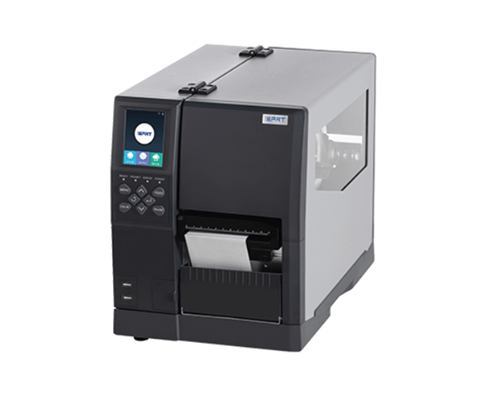
| Fitur | Titik Sakit Anda | Solusi IV5820 |
|---|---|---|
| 1200 DPI Visi Res Tinggi | Manusia / pemindai standar melewatkan cacat mikro Data Matrix 5mil | 100% inline grading: kode 2D (5mil) + kode 1D (3mil), nol melarikan diri |
| Cerdas NG Backtrack & Cetak ulang | Label yang rusak memasuki rantai pasokan, memicu denda | Otomatis mendeteksi NG, backtracks, mencetak ulang label sempurna secara instan |
| Inspeksi OCR / OCV 3pt | Tanggal kadaluwarsa yang hilang lulus tes barcode, gagal audit | Memeriksa barcode + font 3pt ultra-kecil untuk akurasi tata letak |
| Integrasi MES/WMS penuh | Log QA manual rentan kesalahan, tidak dapat dilacak | Ekspor data real-time/pencocokan database dengan ERP/MES |
Banyak digunakan dalam:
- ● UDI medis - label perangkat yang dapat dilacak 100%
- ● Manufaktur makanan - kepatuhan kode batch/lot
- ● Manufaktur Industri - Keterlacakan Komponen
- ● Kemasan Logistik - standar barcode GS1

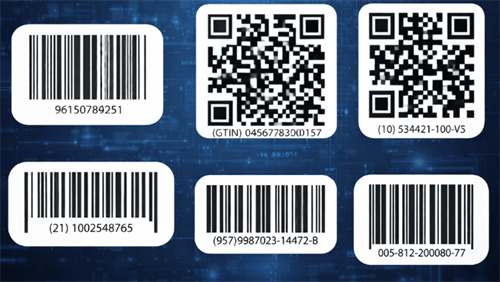
Solusi verifikasi barcode 2D ini mengalihkan produsen dari kontrol kualitas reaktif ke kepatuhan ISO 15415 proaktif, memotong limbah sebesar 20% sambil memastikan pelacakan siap audit.
Amankan Rantai Pasokan Anda dengan Kepatuhan ISO 15415 yang Dijamin
ISO/IEC 15415 bukan hanya standar uji. Ini menjamin barcode Anda memindai secara andal di seluruh rantai pasokan global.
Dengan memahami parameter utama, mengidentifikasi penyebab akar cacat, dan menerapkan kontrol kualitas sistematis, produsen dapat secara konsisten mencapai kelas barcode yang sesuai.
Untuk operasi volume tinggi, menggabungkan proses cetak yang dioptimalkan dengan verifikasi real-time adalah cara paling efektif untuk mengurangi kesalahan, meningkatkan efisiensi, dan memenuhi persyaratan kepatuhan global.
Siap untuk menghilangkan kegagalan barcode?
Hubungi IDPRT hari ini untuk solusi cetak dan verifikasi pribadi Anda
Hubungi Ahli KamiFAQ (Pertanyaan umum)
1. Untuk apa ISO / IEC 15415 digunakan?
Mengevaluasi kualitas cetak barcode 2D melalui 10 parameter untuk kepatuhan rantai pasokan.
2. Kelas apa yang dapat diterima untuk kode Data Matrix?
Kelas C (2.0+) memenuhi persyaratan UDI medis, GS1, otomotif.
3. Mengapa barcode gagal tes ISO 15415?
Modulasi rendah (masalah pita), kontras yang buruk (tinta / substrat), ANU tinggi (kecepatan).
4. Pemindai vs verifier ISO 15415?
Scanner membaca data. Verifikator menilai kualitas cetak (A-F). Kelas C membutuhkan verifier.
5. Apa itu ambang batas kelas C ISO 15415?
Kontras Simbol ≥55%, Modulasi ≥40%, ANU ≤8%-semua 10 parameter harus lulus.